

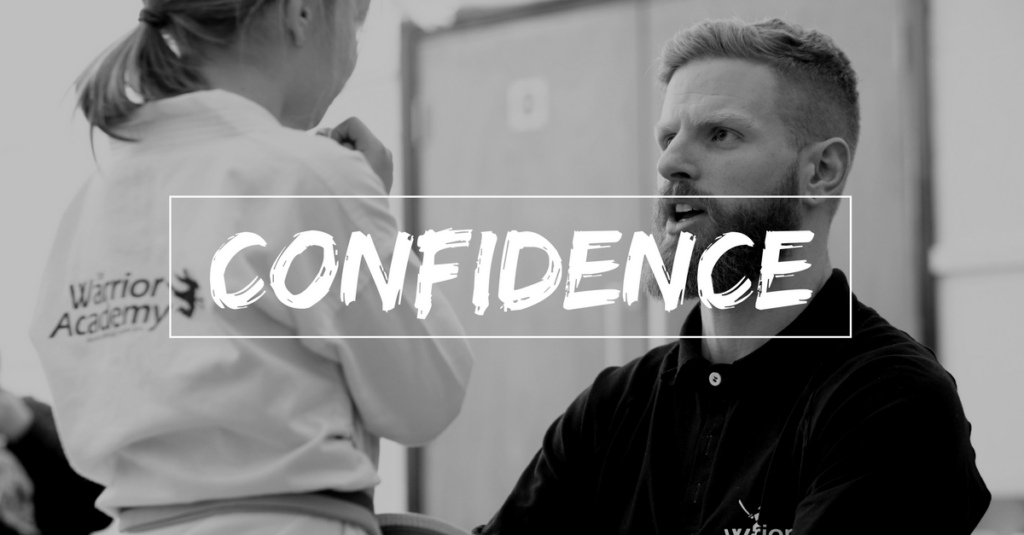
Every parent wants a child who walks into a new classroom, a birthday party or a sports trial and believes they can handle it. Confidence is not something a child is simply born with or without. It is built, one small win at a time, and parents have more influence over it than almost anyone else.
This guide explains what confidence in children really is, the signs that your child may be struggling, and what you can do at home to help. If you want a hands-on plan with activities to try this week, read our companion article, confidence building activities for kids: a step-by-step plan.
What confidence in children really means
Confidence is a child’s belief that they can cope with what life puts in front of them. It is not loudness, and it is not about being the best in the room. A quiet child who puts their hand up even though they might get the answer wrong is showing real confidence. A loud child who refuses to try anything they might fail at is not.
At The Warrior Academy we think of confidence as the result of two things working together:
- Self-belief: the inner voice that says “I can do hard things”.
- Self-esteem: the sense that “I am worth something, even when I make mistakes”.
When both are strong, children are far more willing to try new things, speak up, make friends and stand up for themselves and others.
Signs your child may be low in confidence
Low confidence does not always look like shyness. Look out for patterns such as:
- Saying “I can’t” or “I’m rubbish at this” before they have even tried
- Avoiding new activities, clubs or play dates
- A strong fear of getting things wrong or being told off
- Giving up quickly when something gets difficult
- Going along with friends even when they know something is wrong
- Constant worrying, or needing a lot of reassurance
- Struggling to join in with groups of children they don’t know
Every child has days like this. It is when these patterns become the norm that it is worth acting. With so much of children’s time now spent on screens, many miss out on the everyday challenges, like talking to new people or trying a physical skill, that used to build confidence naturally.
Why confidence matters so much in childhood
The habits a child forms in their early years shape how they approach challenges for a long time afterwards. A child who learns early that effort leads to progress tends to keep trying. A child who learns that trying leads to embarrassment tends to stop.
Confident children are more likely to:
- Take part in class and ask for help when they need it
- Make friends and handle disagreements
- Say no to peer pressure
- Bounce back from setbacks instead of giving up
- Stand up to bullying, for themselves and for others
As we often say to our students: if they believe they can, they will. If they believe they can’t, they won’t.
How to build confidence in children: seven principles for parents
1. Praise effort, not talent
“You’re so clever” feels kind, but it teaches children that success is fixed. “You kept going even when it was hard” teaches them that effort is in their control. Notice the work, the courage and the persistence, not just the result.
2. Let them struggle a little
It is natural to step in when your child finds something difficult. Wait a few seconds longer than feels comfortable. Solving a problem on their own, even a small one, gives a child far more confidence than being rescued.
3. Set small, achievable goals
Big goals can feel overwhelming. Break them into steps your child can achieve this week: ordering their own food at a restaurant, swimming one more length, or saying hello to a new child at the park. Each success becomes evidence that they can do the next thing.
4. Help them retrain their inner voice
Children talk to themselves all the time. When you hear “I can’t do it”, gently add one word: “I can’t do it yet”. Over time, children learn to speak to themselves the way a good coach would.
5. Treat mistakes as part of learning
Share your own mistakes and what you learned from them. When your child gets something wrong, ask “What will you try differently next time?” rather than focusing on what went wrong.
6. Give them real responsibility
Packing their own school bag, feeding the family pet or helping to cook dinner all tell a child “I trust you”. Responsibility is one of the fastest ways to build self-worth.
7. Recognise progress
Celebrate improvement, not just achievement. A star chart for younger children or a simple “I noticed you did that on your own today” for older ones helps them see how far they have come.
Confidence at every age
Ages 4 to 6
Young children build confidence through play, routine and small responsibilities. Encourage them to dress themselves, choose between two options and try new physical skills like balancing, jumping and catching. Keep praise specific and frequent.
Ages 7 to 9
This is the age when children start comparing themselves with others. Focus on personal bests rather than winning. Activities with clear stages of progress, such as belts in martial arts, swimming levels or music grades, are especially powerful.
Ages 10 to 13
Pre-teens care deeply about what their friends think. Give them chances to lead, such as helping a younger sibling or taking charge of a family plan. Talk openly about peer pressure and practise ways to say no.
Teenagers
Teenagers need independence with a safety net. Let them make more of their own decisions, support them when things go wrong and help them set goals that matter to them, not just to you.
How martial arts builds lasting confidence
Martial arts gives children something few other activities do: a structured path where every step forward is visible. At The Warrior Academy our instructors set small, measurable goals and challenges in every session. Each achievement is recognised and rewarded, and as children progress through the grades they learn about success, dedication and self-worth.
Our character development approach, built on The Warrior Method, teaches children to retrain their inner voice, make good decisions, find the strength of character to say no and stay clear-headed under pressure. Many children who arrive shy or nervous of joining in become the ones encouraging newer students.
We run programmes for every age, from Little Warriors for the youngest children to junior martial arts and programmes for pre-teens and teens, at our academies in Al Quoz, Arjan and Jumeirah Islands in Dubai and Al Wahda Mall in Abu Dhabi.
Frequently asked questions
At what age should I start building my child’s confidence?
From the very beginning. Toddlers build confidence by trying new things in a safe environment and being encouraged when they do. It is never too late either: older children and teenagers can make big changes with the right support.
Is my child shy or low in confidence?
Shyness is a personality trait and is perfectly fine. Low confidence is when a child wants to take part but holds back because they believe they will fail. A shy child can be very confident once they feel ready.
How long does it take to see a change?
Every child is different, but small changes often show up within weeks when a child has regular, positive challenges and consistent encouragement at home.
Take the next step
If you would like to understand where your child is right now, take our free Breakthrough Area assessment. It takes a few minutes and shows you the area of character where your child could grow the most. When you are ready to see The Warrior Academy in action, book a VIP Pass at your nearest academy and let your child experience their first programme with our world class international team.