

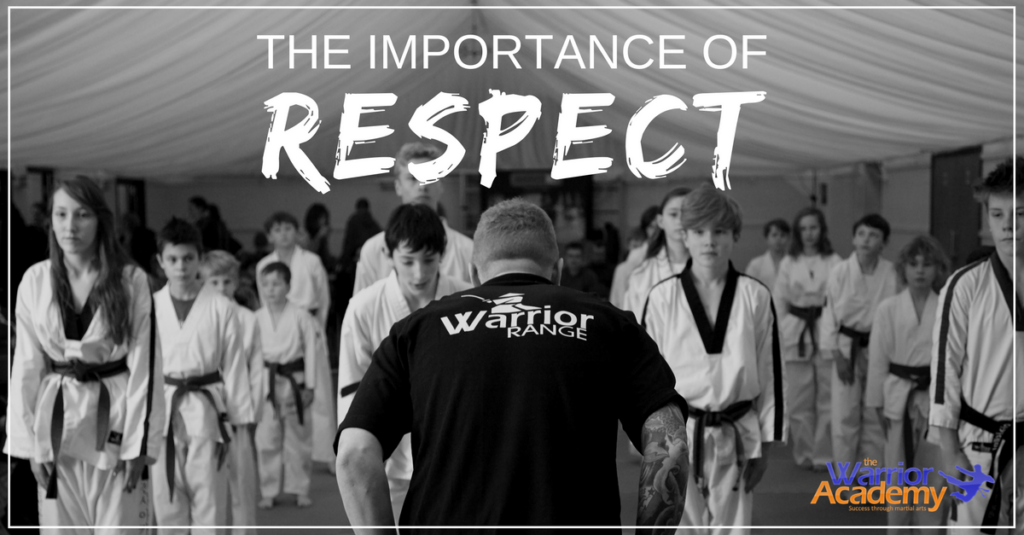
Ask a group of young children what martial arts is all about and you will hear the same answers every time: the cool moves, being really strong, becoming a ninja. Those things are fun, and they keep children coming back. But if you ask our instructors, the real answer is one word: respect. Respect for yourself and respect for others.
Respect is the foundation everything else is built on. A child who respects themselves looks after their body, works hard and believes they are worth the effort. A child who respects others listens, waits their turn, follows instructions and treats people kindly. In this guide we explain why respect matters so much, how to teach it at home at every age, and how it is built into every programme at The Warrior Academy in Dubai and Abu Dhabi.
Why respect matters for children
Respect is not just good manners. It shapes how a child sees themselves and how they handle the world around them.
- It builds confidence. As a child’s respect for themselves grows, so does their self belief. They start to feel that their effort, their body and their voice matter.
- It improves relationships. Children who show respect are easier to be around. Teachers, friends and siblings respond to them better, and that positive feedback builds on itself.
- It makes discipline make sense. When a child understands respect, rules stop feeling like punishments and start feeling like ways of looking after themselves and others.
- It protects them. A child with strong self respect is more likely to walk away from unkind behaviour, speak up when something is wrong and choose good friends.
Who do we show respect to? Everyone
In our programmes we often ask students a simple question: who should we show respect to, and why? The answers are always interesting. Parents, teachers, grandparents, the instructor, the team captain. After a good discussion we sum it up in one word: everyone.
Treat others as you wish to be treated, and show respect to everyone, always. That includes the person who is not being kind to you. As the writer Dave Willis put it, “Show respect even to those who don’t deserve it; not as a reflection of their character, but as a reflection of yours.” That is a powerful idea for a child to learn early. Their respect says something about who they are, not about who the other person is.
Self respect: the part parents often miss
Most parents think of respect as something children show to adults. Just as important is the respect a child shows to themselves, and this is where martial arts can be a game changer.
Once a child sees discipline as a way of respecting themselves, the things they used to complain about start to make sense. The bedtime that feels too early is there so they get a proper night’s sleep, which they need to be happy, healthy and to grow stronger. Eating well and staying active become ways of looking after their own body, not chores set by a parent. Practising a skill at home becomes a way of respecting their own goals.
Self respect also means respecting your failures as well as your successes. Mistakes teach children the most valuable lessons about themselves, as long as they learn to treat a setback as something to learn from rather than something to hide.
How to teach respect at home, age by age
Ages 4 to 6
- Keep it simple and visible: greeting people, saying please and thank you, looking at someone when they speak.
- Use a “listening position” at home, such as sitting still with hands in lap, the way children do on the mat.
- Praise the behaviour, not just the result: “You waited so patiently for your turn. That was really respectful.”
Ages 7 to 9
- Talk about respect for things as well as people: tidying equipment, looking after toys, caring for shared spaces.
- Introduce the idea of respecting yourself. Link bedtime, food and exercise to looking after their own body.
- Role play tricky situations, such as a friend who is being unkind, and practise a calm, respectful response.
Ages 10 to 13
- Discuss respect online: how we speak to people in games and group chats, and what to do when others are disrespectful.
- Give them more responsibility at home and treat it as a sign of trust.
- Ask for their opinion on family decisions. Showing respect to children is the fastest way to teach it.
Teenagers
- Focus on self respect: the friends they choose, the goals they set and how they let others treat them.
- Have honest conversations about disagreeing respectfully. Respect does not mean always agreeing.
- Model it yourself. Teenagers notice how you speak to drivers, waiters and colleagues far more than anything you tell them.
How martial arts teaches respect
Martial arts has respect built into every part of it, which is why it is such a natural way for children to learn it. At The Warrior Academy, respect is taught through what children do, not through lectures.
- The bow. Every session starts and ends with a bow. It is a simple, physical way of showing respect to the instructor, to training partners and to the space.
- Partner work. Children learn to look after their training partner, to control their technique and to say thank you at the end of every drill.
- Listening and focus. Children learn to listen to an instruction and act on it straight away, which builds a habit of respectful listening that carries over into school.
- Character lessons. Respect is one of the core values in our character development curriculum, and children are recognised when they show it.
Respect is closely linked to the other values we teach: an indomitable spirit, perseverance, courage, integrity, courtesy and self control. Having the will to keep going when others give up, the courage to push through your limits and the self control to carry yourself well all start with understanding the value of respect. You can read more about how these values fit together in The Warrior Method.
Common challenges parents face
“My child is respectful at school but not at home.” This is very common. Children often save their hardest behaviour for the people they feel safest with. Keep expectations consistent and calmly name the behaviour you want to see.
“My child copies disrespectful behaviour from friends or screens.” Talk about it openly. Ask them how they think the other person felt, and agree on a family standard.
“I don’t want to force my child to respect people who are unkind.” Respect is not the same as agreeing or putting up with bad behaviour. Teach your child they can be respectful and still be firm, say no and walk away.
Respect at The Warrior Academy
Many families across Dubai and Abu Dhabi come to us because they want their child to be more respectful and better at listening. Our programmes run for ages 2 to adult, from junior martial arts for younger children to pre-teen and teen programmes, and respect is part of every single session. You can explore all of our programmes by age or read what other parents say in our success stories.
Frequently asked questions
At what age should I start teaching my child respect?
You can start from the toddler years with simple habits like greeting people and saying thank you. The ideas grow with the child, so a 4 year old learns to wait their turn while a teenager learns to disagree respectfully.
Why do martial artists bow?
The bow is a sign of respect to the instructor, to training partners and to the training space. For children, it is a simple physical reminder to switch on their focus and show courtesy.
Does martial arts make children more aggressive?
Taught well, martial arts does the opposite. Children learn control, respect for their training partners and that their skills are for protection, never for hurting others.
Take the next step
If you would like to see where your child is strongest and where they could grow, take our free Breakthrough Area assessment. It takes a few minutes and gives you practical next steps. When you are ready to see respect in action, book a VIP Pass at your nearest academy in Al Quoz, Arjan, Jumeirah Islands or Abu Dhabi. We look forward to seeing you on the mat, and remember to bow.