

You are at the school gate, half reading a message from work, when your child holds up a painting. “Good job!” you say, and they are already turning away. It happens again with a Lego tower, a spelling test and a cartwheel in the living room. By bedtime you have said it a dozen times, and it has stopped meaning much to either of you.
This article gives you the alternatives: the exact words to use instead, how to adjust them for your child’s age, the mistakes almost every loving parent makes, and a dinner table game that makes the new habit stick. None of it takes extra time. It just takes different words.
“Good job” is not harmful. The problem is that it is vague. It tells a child you are pleased but not why, so they cannot repeat what worked. Children who only hear general praise can start working for your approval rather than for the feeling of having done something well, and confidence that depends on applause is fragile.
As our founder Sebastian Bates says on the Warrior Academy Podcast, “Most parents think confidence is luck.” It is not. It is built, one specific moment at a time, and what you say in those moments is one of the biggest levers you have.
The three kinds of praise that build real confidence
Useful praise falls into three groups. Aim to use all three across a normal week.
Effort praise names the work. It teaches that trying hard is what gets results. – Instead of “Good job”, try “You kept going when it got hard.” – Instead of “You’re so clever”, try “You practised those spellings every evening, and look at the result.”
Strategy praise names the method. It teaches your child that they can solve problems, not just hope things go well. – “You did the corners of the puzzle first. That was a smart plan.” – “When you got stuck, you asked for help. That’s what good learners do.”
Character praise names who they are becoming. This is the most powerful of the three, because it gives your child a story about themselves. – “You let your brother go first even though you wanted the turn. That was kind.” – “You told the truth about the broken glass. That took courage.”
Children tend to live up to the story they hear about themselves. Sebastian puts it simply on the podcast: “Confidence is not about being loud. It’s about being ready.” Specific praise gets a child ready, because it shows them exactly what they did that worked, so they can do it again when it counts.
Ten things to say instead of “good job”
Keep this list on your phone for the first couple of weeks.
- “You did it! How does it feel?”
- “You didn’t give up, even after the second try.”
- “I noticed how focused you were just then.”
- “Tell me how you made this.”
- “That was hard, and you did it anyway.”
- “You were so patient waiting for your turn.”
- “You helped without being asked.”
- “You’ve improved so much since last month.”
- “You made a mistake and fixed it yourself.”
- “I love watching you play.”
The last one is not about performance at all. It is unconditional, and children need that kind of warmth as much as they need specific feedback.
How praise changes with age
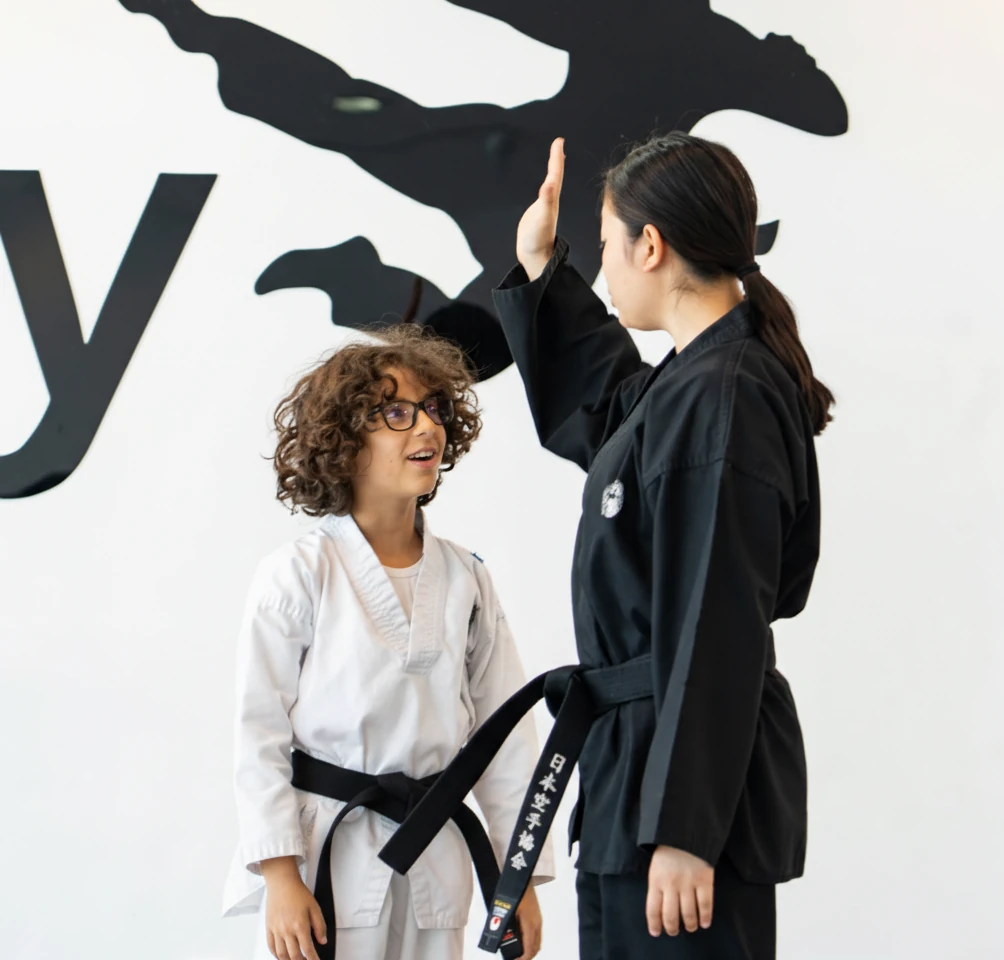
2 to 3: Keep it short, immediate and descriptive. “You put your shoes on! Both feet!” Toddlers love hearing you narrate what they did. Pair your words with a smile or a high five.
4 to 6: Start naming effort and simple character traits. “You waited so patiently.” Children this age are hungry for your approval, which makes it the perfect time to point that approval at effort rather than results.
7 to 9: Children begin comparing themselves with classmates and can spot empty praise from across the room. Be specific and honest. “Your handwriting is neater than last term. That practice paid off.”
10 to 12: Praise in private rather than in front of friends. Ask questions that help them judge their own work: “Which part are you proudest of?”
13+: Less is often more. One short, sincere comment, or a message later in the day, lands better than a fuss. Notice values rather than achievements: “The way you handled that argument with your friend was really mature.”
Common praise mistakes, and what to do instead
- Praising talent. “You’re a natural” can make children avoid challenges in case they stop looking natural. Praise the practice instead.
- Praising everything equally. If tying a shoelace and finishing a hard project get the same reaction, neither means much. Save your bigger reactions for real effort.
- Adding a “but”. “Great drawing, but you went over the lines” cancels the praise. Keep feedback for another moment.
- Comparing with siblings. Even “You’re better at this than your brother” sets children against each other. Compare your child only with their own past.
- Using praise as a bribe. “Good girl, now tidy up” turns praise into a transaction. Keep it free.
- Overpraising a bad day. If your child knows they played badly, “You were brilliant!” rings false. Try “That was a tough match. What do you want to work on next?”
In many Dubai homes a nanny, helper or grandparent spends as much time with the children as the parents do. Share a few of these phrases with every adult who looks after your child. When everyone notices effort in the same way, the message lands faster.
Try this at home: the “I noticed” game
Once a day, at dinner or on the drive home from school, each person in the family shares one thing they noticed someone else doing well. There are three rules.
- It must be specific: not “you were nice”, but “you shared your snack at the park”.
- It must be about effort or character, not looks or talent.
- The person receiving it says “Thank you” without brushing it off.
After a week, add a second round: each person shares one thing they noticed about themselves. This is where lasting confidence lives. A child who can spot their own effort no longer needs constant approval from outside. The game works well in the car during the school run and costs nothing, and the long indoor afternoons of a UAE summer are perfect for a bonus round.
How to tell it is working
Change is gradual, but within a few weeks you should start to see signs like these:
- Your child describes their own effort (“I practised a lot”) instead of asking “Is it good?”
- They try harder things, and recover faster when something goes wrong.
- They start praising siblings and friends in specific ways.
- They come to you to share, rather than to be reassured.
- They can say what they are proud of without checking your face first.
If you notice the opposite, such as a child who becomes very worried about getting things wrong, ease off and keep your praise light and warm. If the worry continues, speak to their school or their doctor.
How we work on this on the mat
Confidence is one of the 3 C’s every Warrior Academy class teaches, alongside conduct and concentration. Our character development approach runs through every lesson, whether a child is learning karate, jiu jitsu or taekwondo, all taught through one syllabus and one belt system. Classes are capped at 13 children, so instructors can see each child’s effort and name it out loud. Every family also has a monthly one-to-one call with their child’s instructor, which is a good moment to agree which efforts to notice at home. You can find a session near you on our class times page.
Frequently asked questions
Is it bad to say “good job” at all? No. It is fine as a quick, happy reaction. The aim is to add specific praise, not to ban a phrase.
How often should I praise my child? Quality matters more than quantity. A few specific, honest comments a day do more than constant cheering.
What if my child doesn’t believe my praise? That usually means it was too general or too big. Make it smaller and more specific, and describe exactly what you saw.
Should I praise good grades? Praise the work behind the grade: the revision, the questions they asked, the way they bounced back after a weak result.
Start with one sentence tonight
Pick one phrase from this article and use it before bedtime, then notice how your child reacts. If you would like to see how we build confidence on the mat, Book a class.