

Table of Contents
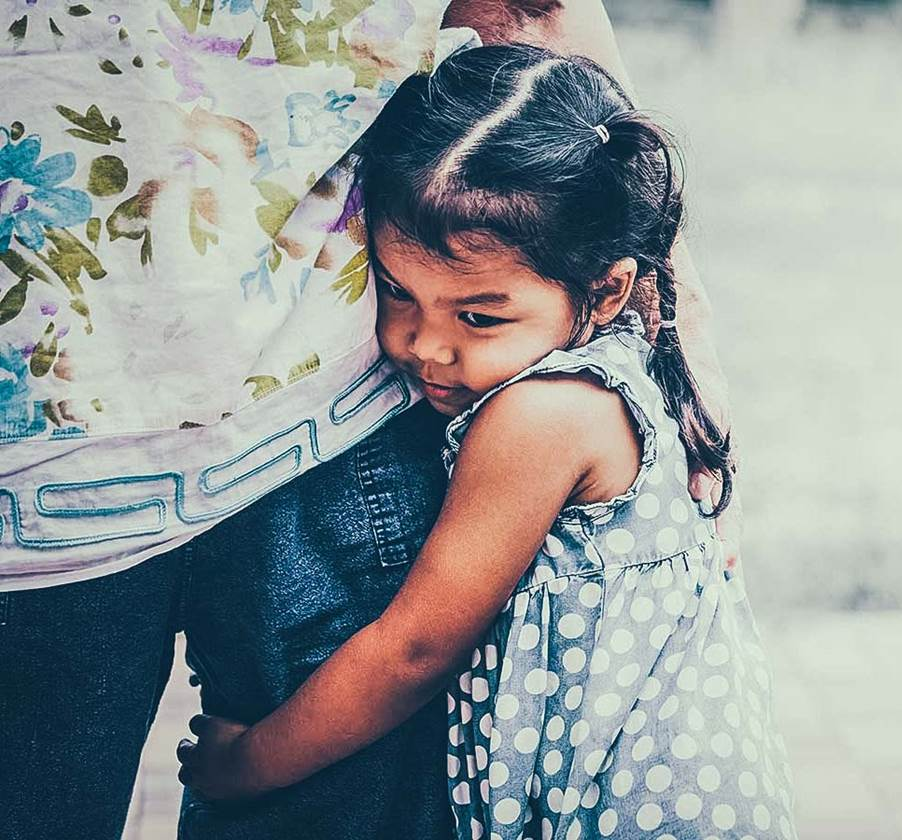 Child anxiety is a common mental health issue among children and can cause significant distress and impairment in their daily lives. As a parent, it can be challenging to know how to support your child with anxiety. This article provides practical advice and tips to help you understand the causes of anxiety, common signs and symptoms, and strategies to help your child cope with their anxiety.
Understanding Anxiety in Children
Anxiety is a normal human emotion and can be useful in certain situations, such as when faced with a potential threat or danger. However, excessive or persistent anxiety that interferes with daily activities and relationships can be a sign of an anxiety disorder.
Anxiety disorders are among the most common mental health issues in children, with approximately 15%–20% of children and adolescents meeting the criteria for an anxiety disorder.
Anxiety is also different for everyone and can take many forms, including generalised anxiety disorder, social anxiety disorder, separation anxiety disorder, and panic disorder. These disorders make it hard for parents to understand what their children need, and can be caused by a combination of genetic, environmental, and psychological factors.
Common Signs and Symptoms of Anxiety in Children
Anxiety can manifest in a variety of ways in children and can be difficult to recognise. Some common signs and symptoms of anxiety in younger children include:
- Excessive worrying or fear about everyday situations or events
- Physical symptoms such as stomach aches, headaches, or muscle tension
- Difficulty sleeping or staying asleep
- Irritability or mood swings
- Nightmares or bed wetting
- Tearful or clingy behaviour
- Avoidance of social situations or activities
- Difficulty concentrating or paying attention
Older children may experience different symptoms, including:
- Difficulty concentrating
- Lack of confidence
- Problems with sleeping and eating
- Angry outbursts
- Negative thoughts
- Avoiding activities like seeing friends, going to school, or attending clubs
Every child is different and will experience anxiety in their own way, so make sure you keep an eye out for any of the above, or other concerning behaviours.
Strategies for Supporting Children with Anxiety
Many parents may feel helpless when they do spot these symptoms but the good news is there are several strategies to help your loved ones. These include:
 1. Listen to Your Child
One of the most important things you can do as a parent is to listen to your child when they express their worries or concerns. Make time to talk to your child and let them know that you are there to support them.
2. Provide Reassurance
Children with anxiety often need reassurance that they are safe and that their worries are unfounded. Provide your child with positive affirmations and remind them of their strengths and abilities. This can be past achievements, skills they’ve developed, or anything else to show they can be proud of themselves.
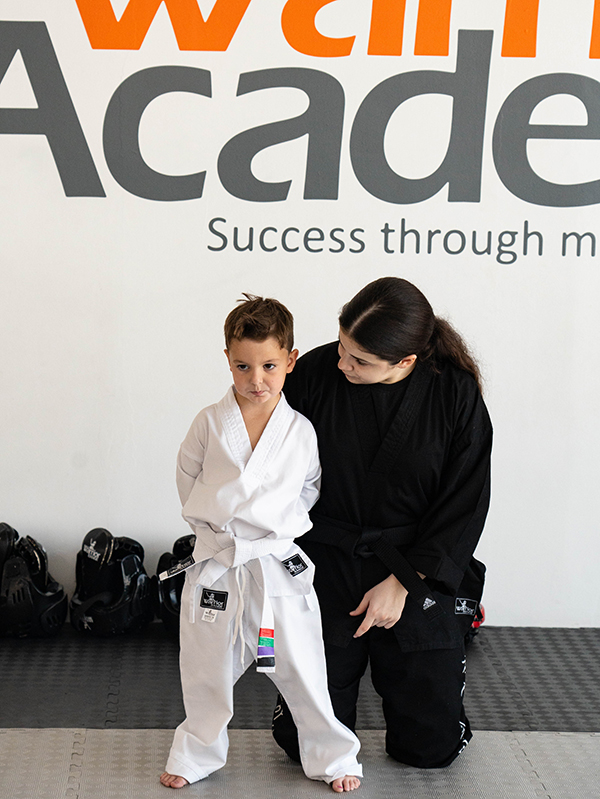
Enrolling your child at Warrior Academy is a great example of this, as our system celebrates achievement through the Warrior Method in a friendly, communal environment that supports self-confidence.
3. Help Your Child Develop Coping Strategies
Encourage your child to develop coping strategies that work for them, such as deep breathing, meditation, or progressive muscle relaxation. Practice these strategies with your child and encourage them to use them when they feel anxious. This is something that we work on in our classes as part of our Character Development Programme.
4. Create a Calm Environment
Children with anxiety may benefit from a calm and structured environment. Create a routine for your child that includes regular meals, exercise, and sleep. Minimise noise and distractions in the home and provide a quiet space for your child to relax.
Incorporate regular group activities, excursions, and other stimuli to help your child feel confident in any environment.
5. Seek Professional Help
If your child’s anxiety is causing significant distress or impairment in their daily life, it may be helpful to seek professional help. Talk to your child’s doctor or a mental health professional for advice and support.
FAQs.
What should I do if my child’s anxiety is impacting their school performance?
If your child’s anxiety is impacting their school performance, it may be helpful to work with their teacher or school counsellor to develop a plan to support your child. This may include accommodations such as extra time for assignments or tests, a quiet space to work, or additional support from a learning specialist.
Is it okay to let my child avoid things that make them anxious?
While it may be tempting to let your child avoid situations that make them anxious, this can actually reinforce their anxiety in the long run. It is important to encourage your child to face their fears in a supportive and gradual way. This can help them build confidence and learn that they are capable of managing their anxiety.
Can I do anything to prevent my child from developing anxiety?
While it is not always possible to prevent anxiety, there are things you can do to help your child develop resilience and coping skills. Encourage your child to engage in activities they enjoy, spend time with friends and family, and practice healthy habits such as exercise and good sleep and hygiene.
Conclusion
Child anxiety can be a challenging issue for children and their families, but with the right support and strategies, it is possible to manage and overcome anxiety. As a parent, it is important to listen to your child, provide reassurance, and help them develop coping strategies that work for them. If your child’s anxiety is causing significant distress, it may be helpful to seek professional help. Remember, you are not alone in supporting your child through their anxiety, and there are resources available to help you and your family.
if you’re looking for a hobby to help your child fight anxiety, why not try martial arts. At Warrior Academy, we have created a unique programme to help children develop in self-confidence and discover the best of themselves. Book a trial session today and see how we can help you and your children with anxiety.